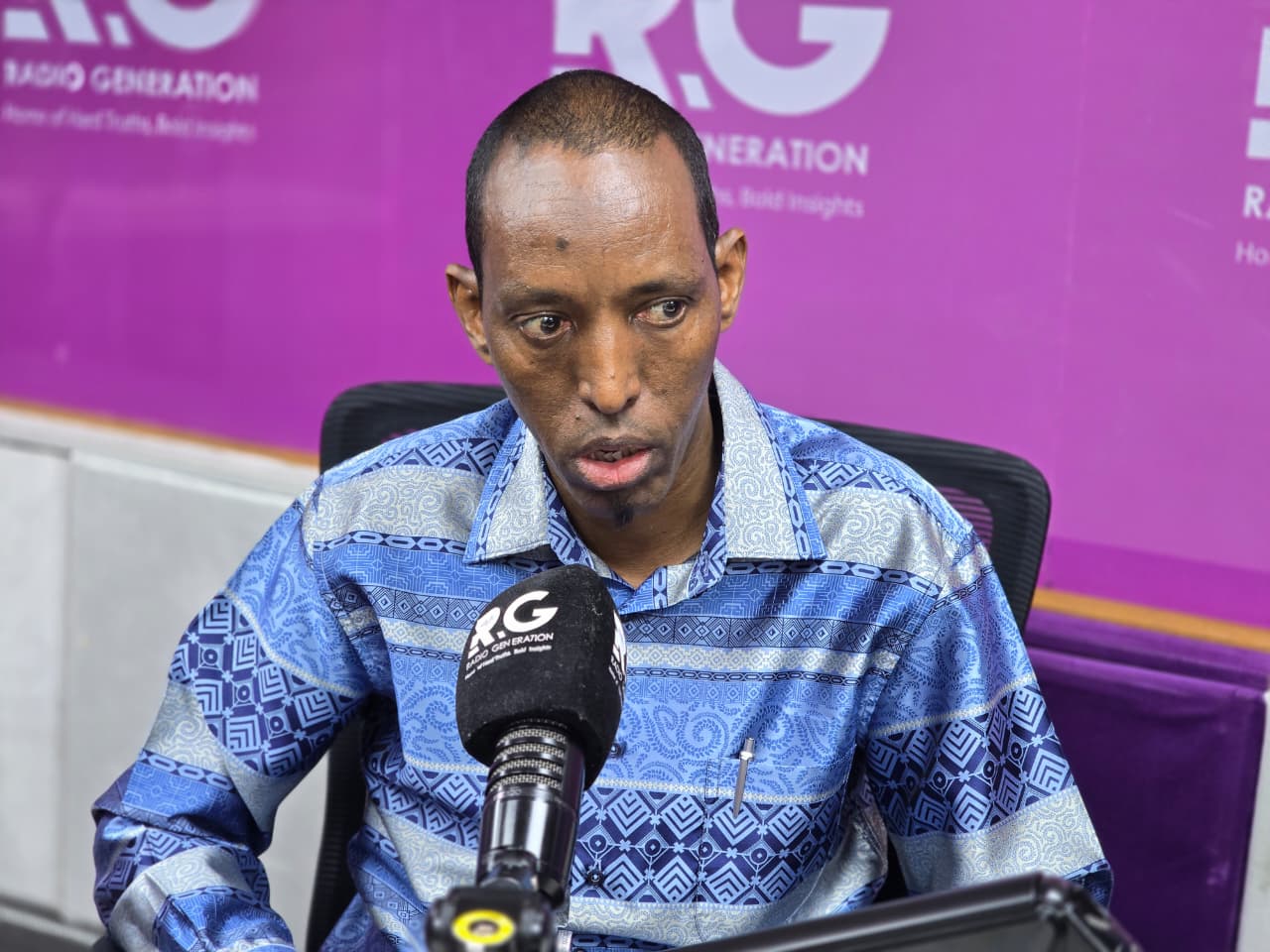
Wajir County continues to face severe electricity shortages, with the county headquarters relying entirely on diesel generators, according to Deputy Governor Ahmed Muhumed Abdi. Despite a daily electricity demand of up to eight megawatts, Wajir town produces only about 3.5 megawatts, and supply remains erratic.
Speaking on Radio Generation on Wednesday, Abdi highlighted that most rural communities in the county are completely off-grid. He said the vastness of Wajir—covering nearly 10 percent of Kenya—combined with a slow rollout of solar mini-grids, has made it difficult to extend electricity to far-flung settlements.
“Most Kenyans know their home village, home counties and Nairobi,” Abdi said, pointing out that limited domestic travel often masks the extent of underdevelopment in remote counties.
He explained that Wajir municipality, which serves as the county headquarters, depends fully on diesel generators. “What it generates is about 3.5, which is even erratic. Rationing has to happen every day within the municipality,” he said.
Abdi warned that if rationing is routine in the county’s main town, the situation in distant settlements is even more challenging. “You can imagine with the far-flung corners of the county,” he said. Large areas remain entirely disconnected from the national grid, he added.
The deputy governor identified Wajir’s sheer size as a major barrier to infrastructure development. “We are talking about a county that is 10 percent of Kenya in terms of geography. That’s quite vast,” he said.
While the national government has begun installing solar mini-grids to improve electricity access, Abdi noted that progress has been slow. “They are still few and far between because settlements are quite many,” he explained.
Despite these challenges, he expressed optimism that ongoing government initiatives would change the situation. Abdi referred to a pledge made by President William Ruto during his last visit to the county, promising Wajir town between eight and ten megawatts of electricity daily.
“That town will have at least about eight to ten megawatts of power on a daily basis,” Abdi said. He added that discussions with the Ministry of Energy indicate that plans to improve electricity supply are already underway. “I was with the Minister for Energy yesterday, and he has promised that plans are at a run stage to ensure the municipality receives such power installations and infrastructure,” he said.
The deputy governor said that expanding electricity connectivity, particularly through solar mini-grids, is expected to transform livelihoods and boost economic activity in the county. “When the government says that, we hope that things will change quite tremendously,” he said.































Comments
Sign in with Google to comment, reply, and like comments.
Continue with Google